
Thermoforming: The Complete Guide for Plastic Fabrication
Thermoforming is one of the most versatile and efficient processes in modern plastics manufacturing. From durable powersports components to eye-catching retail displays, this method allows manufacturers to produce high-quality plastic parts at scale with speed, precision, and consistency.
At Aubright, we’ve spent decades refining our vacuum and thermoforming process to help our customers create reliable, custom plastic solutions that perform in demanding applications. This guide will help you understand what thermoforming is, how it works, and why it’s a trusted solution across industries.
What is Thermoforming?
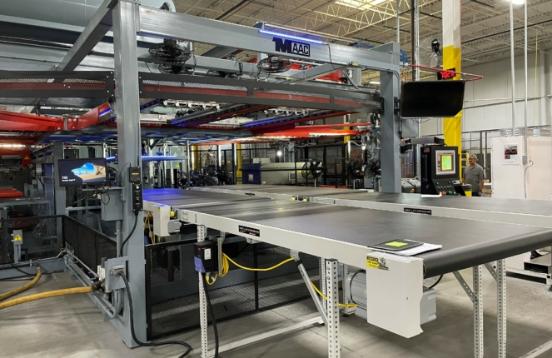
Thermoforming is a plastic manufacturing process in which a sheet of thermoplastic material is heated until pliable, then formed and shaped over a mold, and, finally, trimmed to create a finished part. Plastics manufacturers use this process frequently because it offers design flexibility and cost efficiency for medium to large production runs.
Compared to injection molding, thermoforming requires less expensive tooling and can accommodate larger parts with fewer limitations on size or shape. The process also supports a range of material types, finishes, and thicknesses-making it ideal for creating strong, lightweight, and visually appealing products.
This versatility means thermoforming can be used for structural components, protective covers, housings, enclosures, and branded retail displays. Each finished design begins with a simple concept: transforming a flat sheet of plastic into a functional, precisely engineered, 3D part.
It’s important to note that thermoforming is compatible with thermoplastic materials but not thermoset materials. This is because while thermoplastics can be heated, softened, and reshaped repeatedly, thermosets cannot. When thermosets are heated they will decompose or even burn instead of softening and melting.
Aubright Forming Equipment
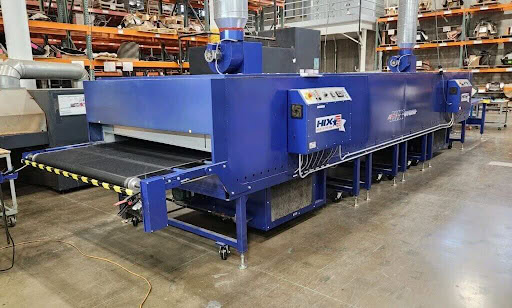
- Single Stage Forming Oven
- 50”x100” maximum sheet (ideal is 48”x96” or smaller); prototyping and small runs
- Wide-Belt Forming Tunnel Ovens (3)
- 60” wide by any length maximum sheet size; large runs
- Monark S-Series Single-Station Small-Format Vacuum Former
- 48”x72” maximum sheet size; prototyping and small runs
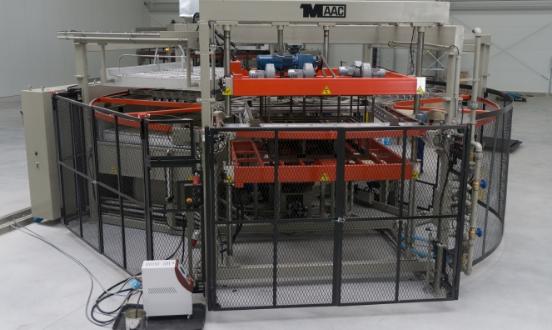
- MAAC Comet Three-Station Rotary Vacuum Former (2)
- 60”x96” maximum sheet size; large runs
- Cincinnati Press Brake (2)
- 10’ width; 135-ton capacity; used for effective bending of plastic
Types of Thermoforming Methods
While there are several forming techniques, two of the most common are vacuum forming and drape forming. Both use heat and pressure, but they differ in how the material interacts with the mold and in the level of detail that the final product can achieve.
Both methods are suitable for producing high-quality, repeatable parts efficiently. Aubright’s team can determine the optimal approach to forming based on the details of your application and production goals.
- Vacuum Forming

Vacuum Forming
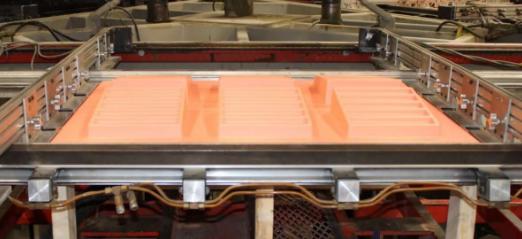
This is the most widely used method. In this process, a heated plastic sheet is placed over a mold, and a vacuum removes the air between the sheet and the mold surface, pulling the material tightly against it. This creates a detailed and accurate representation of the mold’s shape. Vacuum forming is ideal for producing complex geometries, textured finishes, and deep-draw parts.
- Drape Forming
Drape Forming
This process uses gravity, heat, and light pressure to form the plastic sheet over a mold without the stronger force of a vacuum. It’s a good option for parts that require gentle shaping or where aesthetics, rather than high detail, are the main concern. Drape forming works well for curved panels, covers, and components that don’t need precise edges or contours.
Benefits of Thermoforming
Thermoforming offers a combination of strength, versatility, and cost efficiency, which makes it an appealing option for many applications and industries. It is also a great option for creating items that blend form and function without high tooling costs.
Some of the key benefits include:

Design flexibility. Thermoforming is suitable for large parts with intricate details, unique textures, and complex curves.

Faster turnaround times. Tooling is simpler and quicker to produce than with other molding methods, reducing lead times.

Cost-effective production. This technique is ideal for low to medium production volumes where injection molding would be too costly.

Material efficiency. The process minimizes waste and allows for easy recycling of scrap materials.

Durability. Formed plastics maintain rigidity and are lightweight and impact-resistant.

Customization. Thermoforming is compatible with color matching, logo embossing, and finishing options for branding and visual appeal.
Material Options for Thermoforming
It’s important to choose the right plastic material so you can achieve your desired performance, appearance, and cost efficiency. Aubright works with a wide range of thermoplastics to meet diverse customer needs.
To meet the requirements of different applications, plastics can be tailored through color matching, texturing, and secondary processes such as trimming, routing, or painting. Aubright’s materials experts are ready to help you select the best fit for your product environment and performance requirements.
Common materials include, but are not limited to:
- ABS (Acrylonitrile Butadiene Styrene): Known for its toughness and impact resistance, ideal for powersports and industrial applications.
- Acrylic (PMMA): Offers excellent clarity and UV resistance, making it ideal for signage and displays.
- Polycarbonate (PC): Extremely strong and durable, often used in protective covers and machine guards.
- High-Density Polyethylene (HDPE): Lightweight and chemical-resistant, suitable for outdoor and environmental applications.
- PETG: Combines clarity with durability, making it a good choice for medical and retail displays.
- Kydex and similar materials: Provides flame retardancy and surface durability for transportation and aerospace components.
Applications in Powersports, Retail, and OEM Manufacturing
Because it can be used with so many materials and molded shapes, thermoforming is a go-to manufacturing method across industries. Aubright partners with OEMs, designers, and engineers to create durable and visually refined plastic components for a wide range of applications.

Powersports
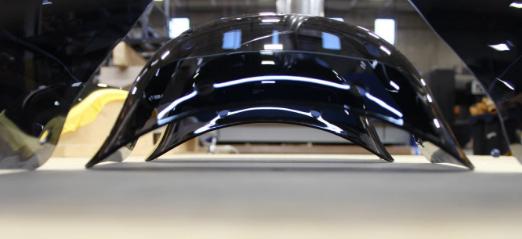
In powersports applications, body panels, wind deflectors, fenders, and protective housings can all be produced from thermoformed plastics. These components must withstand vibration, UV exposure, and high-impact conditions while maintaining a sleek, branded appearance.

Retail
In the retail industry, thermoforming allows brands to design visually compelling product displays, signage, and shelving systems. These parts combine strength and aesthetic appeal, supporting merchandising strategies while maintaining consistent visual quality in every outlet and location.

OEM Manufacturing
For OEM manufacturers, enclosures, covers, and panels used in equipment, electronics, and industrial systems can all be made through thermoforming processes. Because thermoforming supports large-part fabrication and custom shapes, it’s an ideal solution for companies that need precision and repeatability for complex designs.
Why Choose Aubright?
Aubright brings together advanced plastic forming technology, material expertise, and decades of manufacturing experience to deliver reliable thermoformed plastic solutions. Our commitment to quality and collaboration allows us to meet the unique needs of each customer, from prototype development to high-volume production.
We operate with an integrated approach that includes:

In-house design and engineering support to optimize manufacturability.

Comprehensive forming capabilities, including vacuum and drape forming.

Precision trimming and finishing for smooth, ready-to-assemble components.

Custom color and branding options for distinctive end-use products.

Production of metal components for assemblies requiring both plastic and metal parts. Aubright partners with our sister company, Northern Metal Products, to completely meet your project requirements.

Strict quality assurance at every stage of production. If a customer requires it, we also provide PPAP (Production Part Approval Process) which demonstrates that a part’s design and production process will result in products that meet specifications during mass production.
Contact Us Today for Your Next Project
By keeping design, forming, and finishing under one roof, Aubright delivers consistency and accountability throughout the manufacturing process. Customers in the powersports, retail, and OEM markets trust our team for reliable lead times, transparent communication, and long-term value.
Whether you’re developing a new product or refining an existing one, thermoforming offers the flexibility, speed, and performance to bring your vision to life. Aubright combines technical expertise with a commitment to service. To learn more, contact us today.